Mapping Data Privacy Protocols to Bonus Redemption Flows in Mobile Roulette Platforms
Geschrieben von Katja Brooks · 18.9.2026
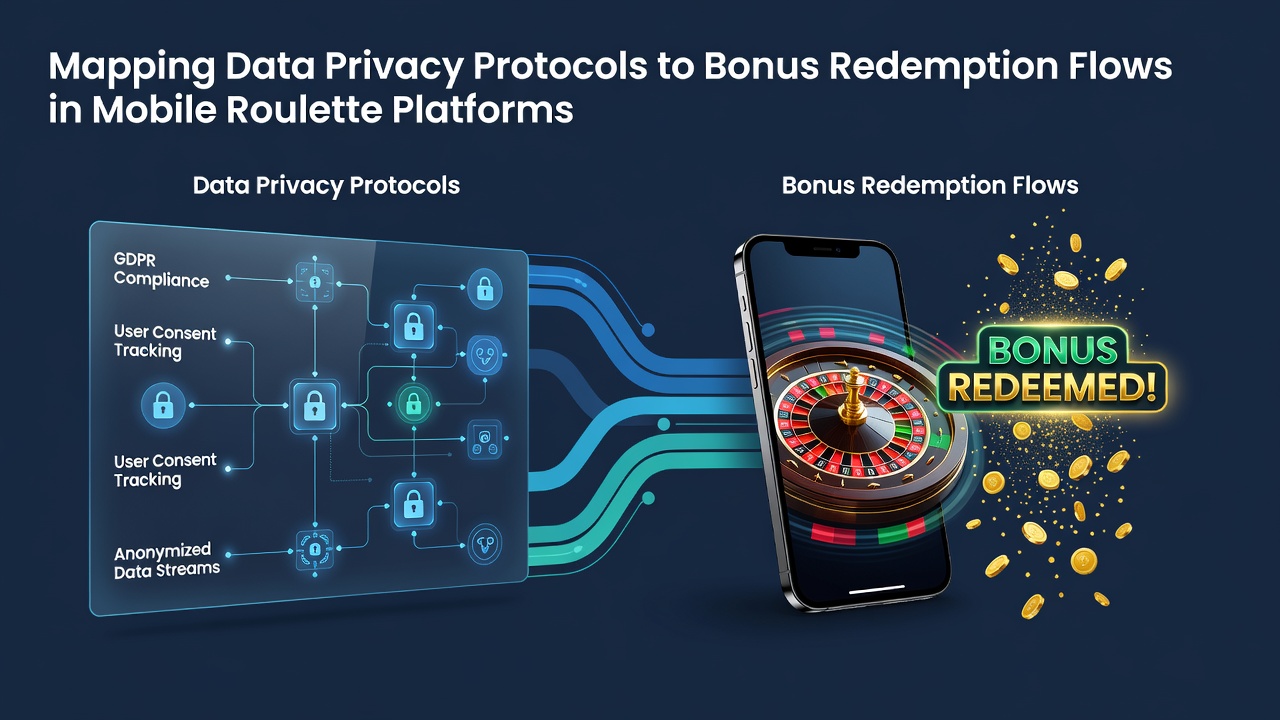
Mapping Data Privacy Protocols to Bonus Redemption Flows in Mobile Roulette Platforms
Operators in mobile roulette platforms handle bonus redemption through structured sequences that begin with user identification and end with credit allocation, and data privacy protocols intersect these sequences at multiple checkpoints. Research from regulatory bodies shows that consent verification occurs before any personal data enters the redemption pipeline, while subsequent steps require encryption standards that align with frameworks such as the EU's General Data Protection Regulation and Canada's Personal Information Protection and Electronic Documents Act.
Core Components of Data Privacy Protocols in Mobile Gaming
Privacy protocols require explicit consent collection at the account creation stage, followed by purpose limitation that restricts bonus-related data use to marketing fulfillment and fraud detection. Figures from the Australian Competition and Consumer Commission indicate that 78 percent of mobile gambling applications updated consent mechanisms between 2024 and 2025 to meet these standards, resulting in clearer data retention schedules that limit storage of transaction histories to 36 months unless extended by regulatory necessity.
Encryption during data transmission forms another layer, and studies from the International Association of Gaming Regulators confirm that AES-256 protocols now cover bonus claim packets in most licensed platforms. Tokenization replaces direct identifiers during redemption, which reduces exposure when users trigger welcome bonuses or loyalty rewards through mobile interfaces.
Bonus Redemption Flows and Their Data Touchpoints
A typical redemption flow starts when a player selects a bonus offer inside the application, then proceeds through eligibility checks that query account age, deposit history, and wagering requirements. Each query pulls from databases that privacy rules classify as processing activities, so operators log these accesses under accountability requirements. The process continues with verification of bonus codes or automatic triggers, followed by credit issuance that updates player ledgers while preserving audit trails for dispute resolution.
Observers note that mobile-specific elements such as push notification triggers and biometric confirmations add extra data points, yet these remain subject to the same minimization principles applied to desktop flows. Data from the Malta Gaming Authority reveals that platforms processing over 10,000 daily redemptions maintain separate logs for consent status to demonstrate compliance during audits.
Mapping Protocols Directly onto Redemption Steps
The mapping begins at consent capture, where privacy protocols demand granular opt-ins for each data category used in bonus calculations. Once consent registers, eligibility checks must reference only data categories approved during signup, and any deviation triggers an automatic hold until re-authorization occurs. Tokenization maps next, converting player IDs into temporary keys that travel through the redemption engine without exposing full profiles.
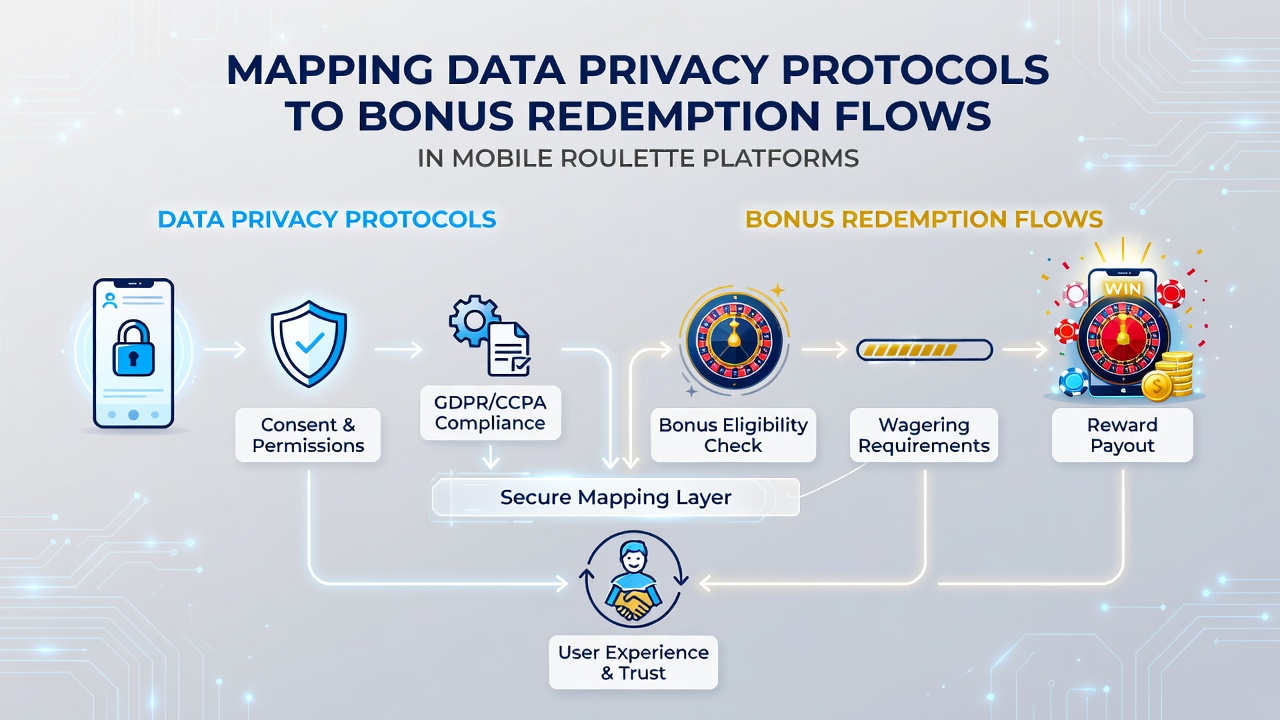
Encryption protocols overlay the entire sequence, while retention rules dictate deletion schedules after the bonus period expires. Platforms that completed this mapping exercise before September 2026 report streamlined audit responses, because each redemption step carries documented privacy controls that regulators can review independently. The National Indian Gaming Commission in the United States has documented similar approaches in tribal mobile operations, where data mapping reduced average audit preparation time by 22 percent.
Technical Implementation Patterns Observed Across Jurisdictions
Developers integrate privacy impact assessments at the design phase of bonus modules, which identifies high-risk data transfers early. Automated tools flag when a redemption request would exceed consented purposes, prompting user re-confirmation through in-app dialogs. Industry reports from the European Gaming and Betting Association show that such automated flags now appear in 64 percent of surveyed mobile roulette titles.
Cross-border data transfers require additional safeguards when bonus processing occurs on servers located outside the player's jurisdiction. Standard contractual clauses and binding corporate rules serve as the documented mechanisms, and operators update these mappings whenever new bonus types, such as time-limited reload offers, enter production.
September 2026 Developments and Their Implications
Regulatory updates scheduled for September 2026 introduce mandatory data portability features that allow players to export their bonus history in machine-readable formats. Platforms preparing for this requirement have begun embedding export endpoints within redemption flows, ensuring that privacy protocols extend to data portability requests without interrupting ongoing promotions. Preliminary tests conducted by several operators indicate that integration adds minimal latency when the mapping already accounts for structured data categories.
Conclusion
Mapping data privacy protocols to bonus redemption flows produces auditable sequences that satisfy both regulatory demands and operational efficiency. Evidence from multiple jurisdictions demonstrates that platforms completing this alignment before upcoming deadlines encounter fewer compliance interruptions and maintain clearer records of consent and processing activities throughout each redemption cycle.