Austria's Statutory Requirements Shaping Transaction Options Across Smartphone Roulette Applications with Live Elements
Geschrieben von Eden Perry · 13.11.2026

Austria's Statutory Requirements Shaping Transaction Options Across Smartphone Roulette Applications with Live Elements
Austria maintains a tightly controlled gambling market through the Glücksspielgesetz and related federal provisions, which directly govern how operators structure deposits and withdrawals in smartphone roulette applications featuring live dealer elements, and these rules create specific boundaries around acceptable payment channels while requiring real-time verification processes that integrate with live streaming sessions.
Core Legal Framework Governing Mobile Transactions
The Austrian Federal Ministry of Finance oversees licensing for online platforms, and operators must align transaction systems with both national statutes and EU-derived anti-money laundering directives, which means smartphone applications handling live roulette cannot freely offer every payment method available in other jurisdictions because each option undergoes scrutiny for compliance with player identification timelines and fund segregation requirements.
Observers note that live elements add complexity since real-time betting interfaces demand seamless payment confirmations without interrupting the dealer feed or game flow, and statutory mandates require that any deposit processed during an active session includes immediate cross-checks against sanctioned lists and previous transaction histories.
Permitted Payment Methods and Associated Restrictions
Bank transfers via SEPA remain the most straightforward channel under current rules, yet operators face limits on processing speed and must maintain detailed audit trails that connect each transfer to a verified player account, while e-wallet services receive approval only when they demonstrate equivalent traceability features and exclude anonymous top-up options. Credit card usage encounters stricter controls because federal provisions discourage credit-based gambling, leading many applications to disable direct card deposits for live roulette sessions and instead route users toward prepaid or instant bank-linked alternatives that satisfy the same statutory thresholds.
Figures from regulatory filings indicate that cryptocurrency options stay largely unavailable in licensed Austrian mobile environments due to ongoing evaluation of volatility and traceability standards, although some platforms explore token-based systems that map onto existing banking rails to meet the same verification benchmarks.
Impact on Live Dealer Smartphone Applications
Smartphone roulette applications incorporating live video streams must embed transaction gateways that pause or overlay game interfaces during verification steps, and this integration stems directly from statutory demands for uninterrupted monitoring of funds movement, especially when players switch between mobile networks and trigger additional location-based checks. Data shows that operators who fail to synchronize these elements risk license reviews, which has prompted development of unified dashboards where deposit approvals appear alongside the live table without breaking the visual connection to the dealer.
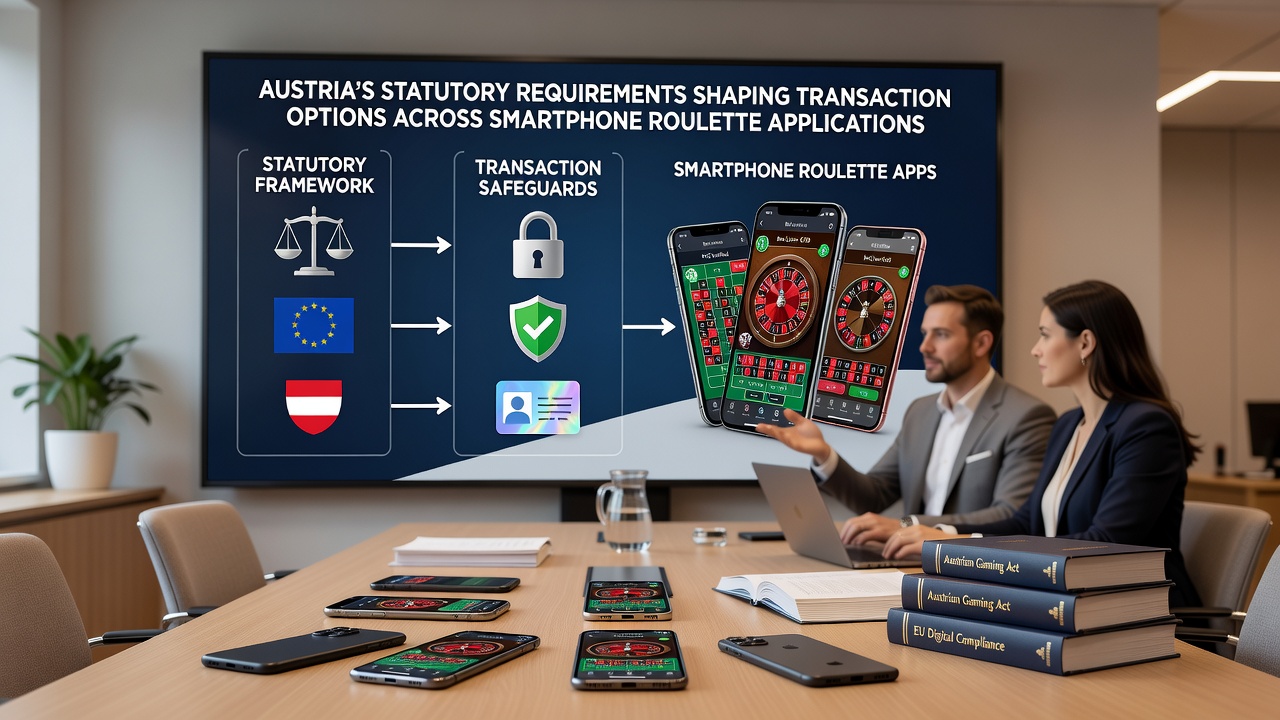
Those who've examined platform updates observe that November 2026 marks the scheduled rollout of enhanced digital identity protocols across several licensed providers, which will require smartphone applications to incorporate biometric confirmation layers before any live session deposit clears, thereby extending the existing framework rather than introducing entirely new categories of payment restriction.
Verification and Record-Keeping Obligations
Statutory requirements compel operators to retain transaction records for a minimum period while linking each entry to the corresponding live roulette round, and this level of granularity affects how applications manage session data when users initiate withdrawals mid-stream or after extended play periods. Research from European gaming oversight bodies highlights that Austrian platforms often deploy automated flagging systems that cross-reference live bet volumes against deposit patterns, ensuring compliance without manual intervention during peak hours.
Applications must also accommodate cooling-off mechanisms tied to transaction histories, and these features activate automatically when spending thresholds defined in licensing conditions are reached, which influences how developers design notification flows that appear within the live interface itself.
Comparative Context from Other Jurisdictions
According to reports published by the Australian Gambling Research Centre, similar transaction controls appear in regulated mobile environments elsewhere, yet Austria's approach emphasizes integration with live elements more explicitly through its licensing conditions, creating a distinct operational model that other regions reference when updating their own frameworks. A separate analysis from Canadian regulatory archives further illustrates how jurisdictions adapt verification timelines to accommodate real-time gaming without compromising statutory safeguards.
Conclusion
Austria's statutory requirements continue to define the boundaries of transaction options in smartphone roulette applications with live elements by enforcing verified channels, synchronized verification steps, and detailed record-keeping that align with both national law and broader European standards, and upcoming protocol adjustments scheduled for November 2026 will further refine these processes while maintaining the core emphasis on traceability and player account integrity.